 (877) 241-5927

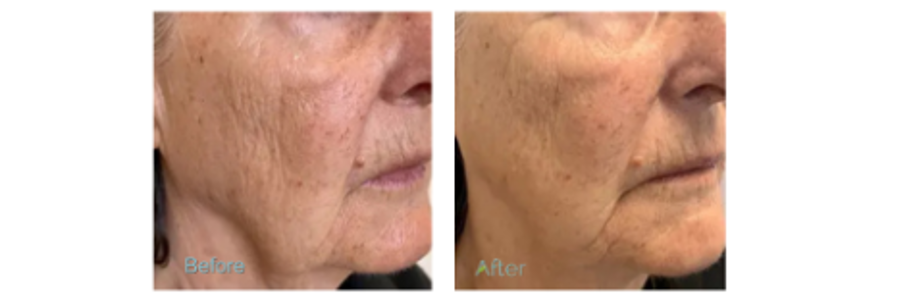
A title
Image Box text
If you’re looking into a skin inflammation treatment and searched around, you’ve likely run into two options that both mention “plasma”: cold plasma channeling and plasma fibroblast. They sound similar, get lumped together online, and are sometimes even marketed interchangeably — but they work in very different ways, with very different downtime and risk profiles. Here’s a clear, side-by-side look at both, so you know which one actually fits what your skin needs.
Choosing the Right Skin Inflammation Treatment: Cold Plasma or Plasma Fibroblast?
Before comparing them, it helps to clear up a common point of confusion: the “plasma” in both of these treatment names refers to plasma energy — a state of matter, not blood plasma. Neither treatment involves drawing blood, and cold plasma channeling specifically involves no puncturing of the skin and no bodily fluids of any kind. That said, the two treatments are not interchangeable, and the difference matters most if inflammation, sensitivity, or reactive skin is your primary concern.
How Cold Plasma Channeling Works
Cold plasma channeling uses a stream of low-temperature, ionized gas applied near the surface of the skin, without direct contact or puncturing. The ionized gas generates reactive oxygen and nitrogen species that trigger a gentle bio-stimulation response in the skin — calming inflammation, supporting the skin’s natural healing processes, and encouraging collagen production, all without heat, pain, or a wound of any kind. Cold atmospheric plasma operates at close to room temperature, which is what allows it to avoid the thermal damage associated with other plasma-based treatments.
Because there’s no wound response involved, there’s nothing to heal afterward — clients typically leave with mild, temporary redness at most, and can return to normal activities immediately.
How Plasma Fibroblast Works
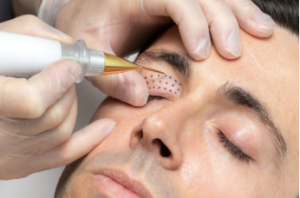
Plasma fibroblast devices work differently. They generate small electrical discharges that create controlled, pinpoint thermal micro-injuries at the skin’s surface, causing a small amount of localized tissue sublimation. Those micro-injuries form small crusts as they heal, which is an intentional part of how the treatment achieves a tightening effect — the controlled injury and subsequent healing response is what remodels and firms the treated area.
Because it works through a visible wound-healing process, plasma fibroblast carries meaningfully more downtime than cold plasma channeling: expect visible crusting, redness, and swelling (especially around the eyes) for at least a week or more, as the crusts must not be disturbed and need to be allowed to fall off on their own. There is real risk of hyperpigmentation especially on medium-to-deeper skin tones. Numbing cream is needed prior to treatment.
Which Is Safer for Addressing Skin Inflammation?
For skin that’s already inflamed, reactive, or prone to conditions like acne and rosacea, cold plasma channeling is the safer and more effective choice. Its anti-bacterial mechanism also kills the bacteria that contributes to inflammation rather than introducing a new, controlled injury on top of already compromised skin. Plasma fibroblast, by contrast, creates a visible wound — which is a reasonable trade-off for clients seeking more dramatic tightening in a stable, non-inflamed area, but not the right tool for actively irritated or reactive skin.
At JuvEssentials, cold plasma channeling is often positioned as achieving comparable improvement in skin tone and texture to plasma fibroblast, but without the downtime or the hyperpigmentation risk that comes with a thermal micro-injury. For clients specifically dealing with acne, inflammation, or reactive skin, that difference is the deciding factor.
Who Benefits Most from Each Treatment
Cold plasma channeling tends to be the better fit for:
- Rosacea-prone, reactive, or easily inflamed skin
- Acneic skin with inflamed papules, pustules, whiteheads and blackheads
- Clients who want visible improvement with zero downtime
- Clients with medium-to-deeper skin tones who want to avoid hyperpigmentation risk
- Anyone easing into professional skin treatments for the first time
Plasma fibroblast tends to be the better fit for:
- Clients seeking more dramatic tightening or lifting in a specific, stable area
- Clients who can accommodate weeks of visible downtime
- Fairer skin tones with lower risk of post-treatment hyperpigmentation
- Clients who have already ruled out active inflammation as a concern
Key Takeaways
- Both treatments use plasma energy, not blood plasma, but they work through entirely different mechanisms
- Cold plasma channeling stimulates the skin without any injury, heat, or downtime
- Plasma fibroblast creates a controlled thermal micro-injury that requires about at least a week of downtime to heal
- For inflamed, reactive, or sensitive skin, cold plasma channeling is the safer option
- Plasma fibroblast may suit clients seeking more dramatic tightening who can tolerate visible downtime and lower hyperpigmentation risk
FAQs
Does either treatment involve blood plasma?
No. Both use plasma energy, referring to an ionized gas or electrical discharge, not blood-derived plasma of any kind.
Which treatment is better for anti-aging along with acne or rosacea?
Cold plasma channeling tightens and lifts the skin, reduces pore size, and has antibacterial benefits to help calm inflammation from acne and rosacea.
How much downtime does plasma fibroblast really require?
Most clients experience visible crusting, redness, and swelling for at least a week, with full healing taking a bit longer depending on the treated area.
Can I combine both treatments over time?
Some clients use cold plasma channeling for ongoing maintenance and calmer skin between other treatments, though a personalized plan should be discussed with your provider.
Ask About Cold Plasma at Your Next Visit
If aging, acne, and not having downtime are your main concerns, then cold plasma channeling is the solution that you are looking for. For a broader look at how it compares to other non-invasive rejuvenation options, see our complete guide to non-invasive skin rejuvenation treatments. Ask about cold plasma channeling at your next visit to find out if it fits your skin!