 (877) 241-5927

A title
Image Box text
If you’re researching collagen induction therapy, you’ve probably noticed the same treatment going by several names: microneedling, skin needling, dermarolling, even needle stamping. All of them use fine needles to prompt your skin to rebuild itself, but the tools behind them are quite different, and so are the results. This guide explains what collagen induction therapy is, how each method works, and which one tends to make sense for your skin concern, so you can walk into a consultation knowing the right questions to ask.
What Is Collagen Induction Therapy?
Collagen induction therapy is the umbrella term for cosmetic treatments that use fine, single-use needles to create controlled micro-injuries in the skin. Those micro-injuries trigger the skin’s natural repair response, including new collagen and elastin production. According to Wikipedia, CIT is also known as microneedling, dermarolling, or skin needling, and it has been used for concerns such as scarring and acne, with research ongoing.
How Does Collagen Induction Therapy Work?
Each needle pass creates thousands of tiny, superficial channels in the skin. The body treats them as minor wounds and responds by rebuilding: collagen and elastin are produced over the following weeks, gradually improving the skin’s underlying structure. That matters because this is the same structure that thins with age and contributes to fine lines, laxity, uneven texture, and scarring.
What changes from method to method is how precisely and how consistently those channels are created, which is where the differences below come in.
What’s the Difference Between Microneedling, Skin Needling, Dermarolling, and Stamping?
All four use needles, but they differ in how the needles are delivered. Microneedling and skin needling use machine-powered devices with adjustable needle length, speed, and intensity. Dermarolling and stamping are manual: you roll or press a fixed-length set of needles into the skin by hand.
|
Method |
How it’s delivered |
Needle length |
Best suited for |
Offered at JuvEssentials |
|
Microneedling |
Machine-powered; adjustable speed and intensity |
Adjustable |
Broader areas: overall texture, tone, and firmness |
Yes |
|
Skin needling |
Machine-powered; a range of smaller needle configurations |
Adjustable |
Targeted concerns: small scars and deep wrinkles |
Yes |
|
Dermarolling |
Manual roller moved by hand |
Fixed |
Milder concerns |
No |
|
Stamping |
Manual stamp pressed into the skin |
Fixed |
Milder concerns |
No |
Microneedling
Microneedling stimulates collagen with a broader stroke, which makes it a strong fit for overall texture, tone, fine lines, and tightening across larger areas. Mild redness typically settles within 24 hours, texture begins to improve over a few weeks, and firmness builds over one to three months as collagen develops. Most clients do best with a series of sessions spaced several weeks apart. Learn more about microneedling in San Francisco at JuvEssentials.
Skin Needling
Skin needling is a different device, with different needle configurations. It can rely on a variety of much smaller configurations, which lets the provider target a small scar or a deep wrinkle more precisely than a broad stroke allows. The two methods overlap in that they produce similar outcomes, smoother and more taut skin, and the timeline is similar: a series of sessions, with improvement building gradually over weeks to months.
Dermarolling and Stamping
Dermarolling and stamping are both manual ways of stimulating the skin with needles. The needles are fixed in length, and the rolling or pressing is powered by hand. They can still be effective on their own, and are a popular DIY option for home use.
Why Is Machine-Powered Needling More Effective Than Manual Methods?
Two things set machine-powered needling apart. First, the needle length is adjustable, so treatment depth can be matched to the area and the concern. Second, and more important, the device is powered: speed and intensity are adjustable, and it delivers far more repetitions per second than a hand-driven roller or stamp can. The result is more thorough coverage and substantial improvement for the amount of time spent.
How Long Does Collagen Induction Therapy Take to Work?
Collagen induction therapy builds gradually, because collagen remodeling is a biological process. A general timeline for machine-powered treatment looks like this:
- < 24 hours: mild redness or sensitivity settles
- 2–4 weeks: skin texture begins to feel smoother
- 1–3 months: firmness and tone become more visible as new collagen builds
- Ongoing: periodic maintenance sessions help sustain results
Key Takeaways
- Collagen induction therapy (CIT) is the umbrella term for needle-based treatments that trigger the skin’s own collagen production
- Microneedling, skin needling, dermarolling, and stamping are all forms of CIT, but they differ in how the needles operate
- Microneedling is designed to address shallower imperfections by sweeping over the entire face, while skin needling uses smaller needle configurations to target specific scars and deep wrinkles
- Dermarolling and stamping are manual, fixed-length methods that can help stimulate the skin, but are less effective for more serious concerns
- Compared to the manual methods, microneedling and skin needling tend to deliver more efficient results with adjustable needle length, speed, and intensity
FAQs
Is collagen induction therapy the same as microneedling?
Microneedling is one form of collagen induction therapy. CIT is the broader category, which also includes skin needling, dermarolling, and stamping.
What’s the difference between skin needling and microneedling?
They use different devices with different needle configurations. Microneedling works with a broader stroke, while skin needling can use much smaller configurations to target small scars or deep wrinkles. Both produce smoother, more taut skin.
Are dermarolling and stamping effective?
They can help, but because they are manual and use fixed-length needles, they are not as effective as machine-powered methods for more serious cosmetic concerns.
How many sessions will I need?
Most clients benefit from a series of 6 sessions spaced several weeks apart, followed by maintenance. A skin assessment can give you a plan based on your concern.
Find the Right Method for Your Skin
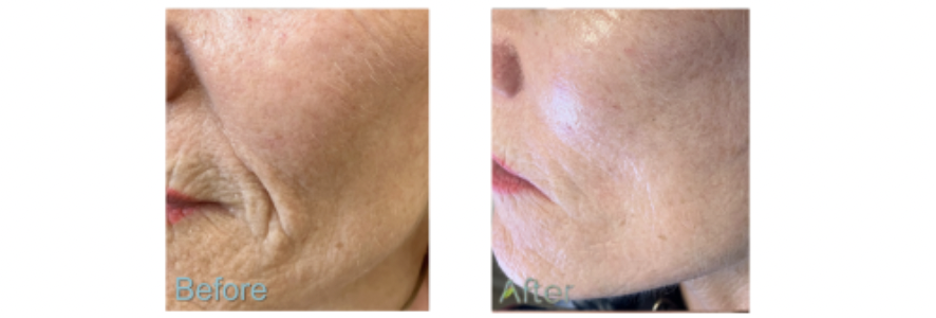
The best method depends on your skin concern, your goals, and how much area you want to treat. Book a skin assessment with JuvEssentials to get a personalized recommendation, and browse real client results in our before-and-after gallery to see what’s possible.